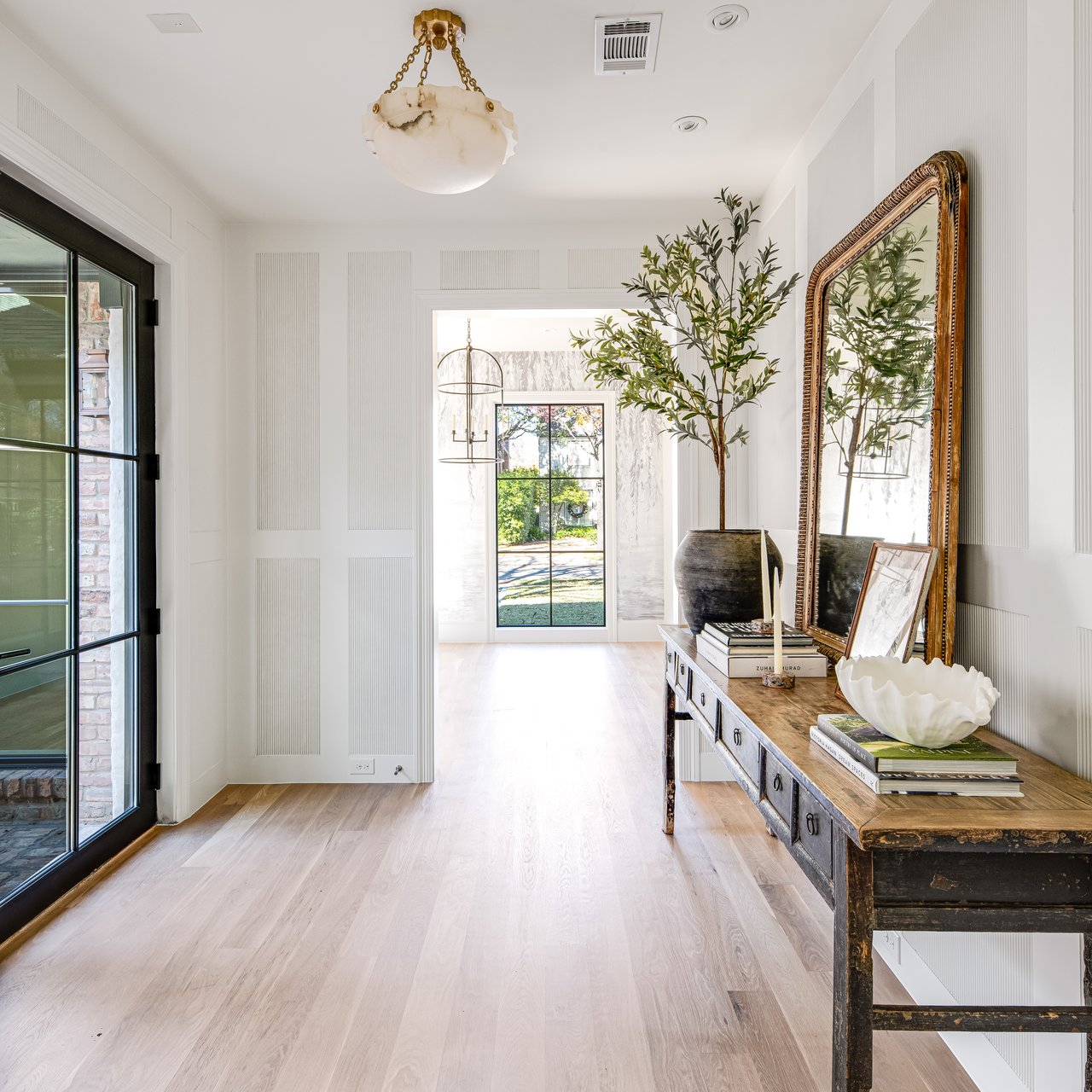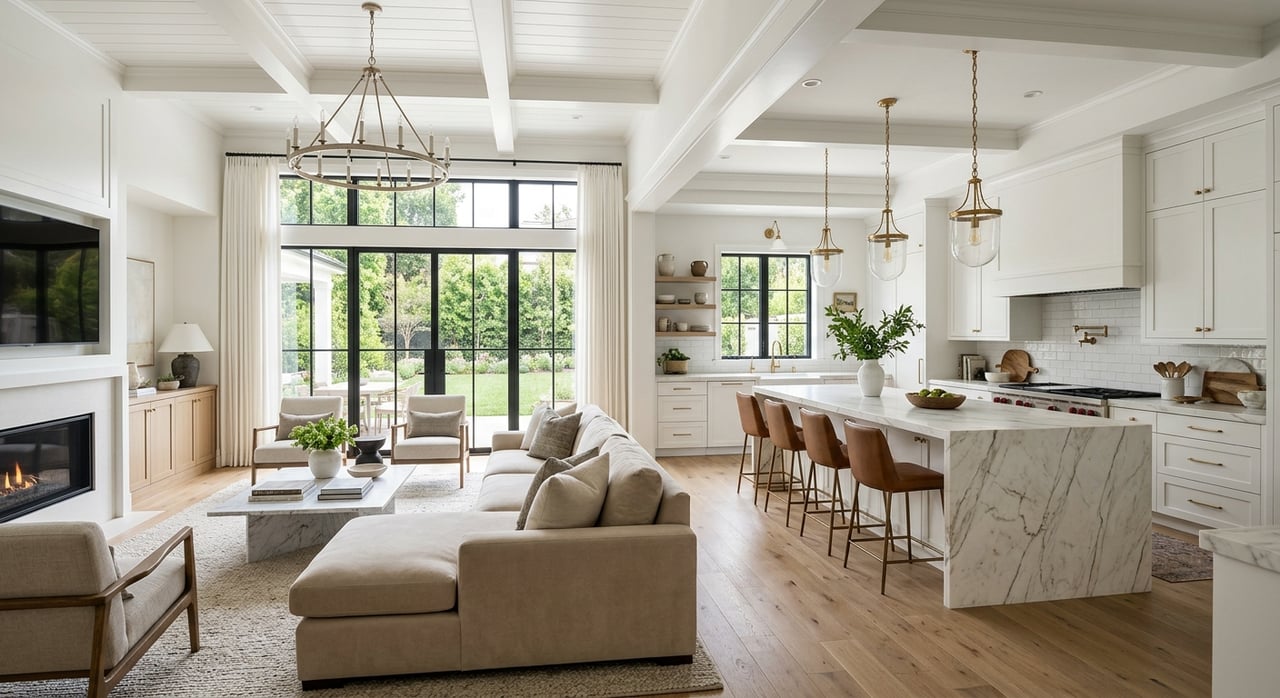
If you care as much about proportion, materials, and architectural character as you do about square footage, Highland Park stands apart. This is a place where design is not an afterthought. It is part of the town’s history, its streetscape, and the way homes are updated and presented today. If you are buying, selling, or refining a home here, understanding that design context can help you make smarter decisions. Let’s dive in.
Why Highland Park Feels So Distinct
Highland Park is a compact town in Dallas County located about three miles north of downtown Dallas, with a 2020 population of 8,864. Its identity has deep roots in planning and landscape design. The town notes that it was laid out in 1907 by landscape architect Wilbur David Cook, with 20% of the original land reserved for parks.
That early vision still shapes how the town feels today. Highland Park incorporated in 1913, and the town continues to emphasize strict construction standards and quality housing. For design-focused homeowners, that long-standing attention to stewardship is a major part of the appeal.
Design Stewardship Still Matters
In Highland Park, design decisions live within a clearly structured local framework. The town’s Community Development guidance states that permits are required for building work, and contractors must be licensed by the State of Texas and registered with the Town of Highland Park. That means renovations and new construction happen within a system built to support oversight and consistency.
There is also a visible preservation culture. Preservation Park Cities describes this stewardship as community-led, with a historic home tour, a landmark-recognition program, and more than 165 recognized homes and building sites. For homeowners, that creates a setting where architectural integrity is both noticed and valued.
Highland Park’s Architectural Vocabulary
Highland Park supports a broad mix of residential styles, but the neighborhood does not feel visually random. Instead, it reads as a layered collection of historic revival traditions and thoughtful later interpretations. That balance is what gives the area its depth.
Spanish Colonial Revival References
One of Highland Park’s most important design touchpoints is Highland Park Village. The Town identifies it as the first shopping center of its kind in the United States, and the 1928 to 1929 complex is described as a modified Spanish Colonial Revival design by James Cheek and Marion Fooshee. Its detached buildings, central plaza, and coordinated materials still offer a strong lesson in scale, outdoor space, and continuity.
Town Hall adds another important reference. Located at 4700 Drexel Drive, it was designed in 1923 by Lang and Witchell in the Spanish Colonial Revival style, with residential-scaled massing, stucco walls, and baroque stone detail. For homeowners, that matters because it shows how the town’s architectural language extends beyond private residences into civic design.
Tudor, Georgian, and More
Residential architecture in and around Highland Park includes Tudor, Georgian, Italianate, and regionalist modern influences. SAH Archipedia notes Tudor Revival features such as half-timbering, steep roofs, and stained glass. Georgian Revival is associated with symmetry, brick facades, pitched roofs, sash windows, and fanlights.
These are not just academic labels. They help explain why certain homes feel especially at home in Highland Park, and why thoughtful updates tend to respect original form, massing, and materials rather than erase them.
Modern Homes With Context
Highland Park is not frozen in one period. Preservation Park Cities notes that homes in the Park Cities were built over nearly 100 years, creating a rich mosaic of styles. That history supports both careful restoration and high-quality new construction.
A strong local example is the John D. Murchison House on Lakeside Drive, which uses a regionalist modern approach while still responding to neighboring historic homes. Its brick arches, terraces, hipped slate roofs, and symmetrical front show that newer or more modern design can still feel rooted in place.
What Design-Focused Buyers Should Look For
If you are buying in Highland Park, the right question is not just whether a home is updated. It is whether the updates make sense for the house and its setting. In a design-aware market, context matters.
Look closely at how materials relate to the architectural era of the home. Brick, stucco, stone, slate, arches, terraces, and half-timbering can all carry real design value when they are used with intention. A well-updated interior often works best when it respects the scale and character of the original facade.
You may also want to think about sourcing and future design flexibility. Highland Park benefits from a nearby design ecosystem that makes it easier to refine a home over time without forcing a generic look. That can be a meaningful advantage if you care about lighting, furnishings, cabinetry, textiles, and art.
What Sellers Should Highlight
If you are selling a home in Highland Park, design language should be specific. Generic luxury wording tends to fall flat in a market where buyers often respond to provenance, materials, and architectural coherence. Clear, accurate storytelling usually creates a stronger impression.
That means describing the home in terms of its architectural era, exterior materials, and notable details. A buyer is more likely to connect with a home described through brick facades, slate roofing, stucco walls, arches, terraces, or preserved symmetry than through vague superlatives alone. In this market, precision helps buyers understand why a home belongs.
Presentation also matters. For design-conscious buyers, the goal is not simply to make a house look expensive. It is to make the home feel visually resolved, consistent, and true to its architecture.
The Nearby Design Ecosystem Adds Value
One reason Highland Park works so well for design-focused homeowners is that its aesthetic is reinforced by nearby retail and showroom districts. Highland Park Village remains a historic anchor, with current tenant categories that include luxury shopping, floral and gift offerings, beauty and fitness, and personal shopping. That mix helps the area feel curated rather than purely commercial.
The Dallas Design District expands that influence in a practical way. The district describes itself as home to more than 370 shops and art and design showrooms, along with galleries and dining. It also highlights antique shops and mid-century modern furniture on Slocum Street, which broadens the range of styles homeowners can draw from.
For buyers and sellers alike, this matters. The local design network supports staging, furnishing, renovation planning, and artful finishing choices that align with Highland Park’s visual standards.
Resources That Shape the Look
Several showrooms help explain how this design culture stays active. Arteriors focuses on lighting, furniture, wall décor, and accessories. Cantoni Trade offers indoor and outdoor furnishings along with kitchen and bath cabinetry and closet systems.
Wolf Hall Antique Collective brings in furniture, decorative objects, and art from the 17th through the mid-20th centuries. Sara Carroll Home offers curated luxury furnishings and interior design services, while KD BIEL presents globally sourced pieces for living, dining, library, bedroom, kitchen, and garden spaces. Together, these resources support a design process that feels tailored rather than off the shelf.
Why This Matters in a Real Estate Decision
In Highland Park, design affects more than aesthetics. It influences how a home is perceived, how comfortably it fits into its surroundings, and how effectively it can be positioned when it comes time to sell. Buyers often respond to homes that feel architecturally grounded, and sellers benefit when that story is told well.
This is where local knowledge becomes especially important. A home with historic cues, a context-sensitive renovation, or thoughtful staging often needs a more nuanced strategy than a standard listing approach. The strongest marketing does not just show the rooms. It explains the design logic that makes the property compelling.
For homeowners in Highland Park, that can mean identifying the right pre-listing improvements, selecting presentation that fits the architecture, and framing the home in language that resonates with design-aware buyers. For buyers, it means understanding not only what you are purchasing today, but how the home can evolve while staying true to its setting.
If you are considering a move in Highland Park, the right guidance should go beyond square footage and sales comps. At this level, design context, presentation, and neighborhood fluency can make a meaningful difference. To discuss your plans with a team that understands how to position distinctive homes in Dallas’s most design-conscious neighborhoods, connect with The Rosen Group.
FAQs
What makes Highland Park appealing for design-focused homeowners?
- Highland Park combines early planning, strong architectural identity, strict construction standards, preservation-minded stewardship, and close access to design resources in Highland Park Village and the Dallas Design District.
What architectural styles are common in Highland Park homes?
- The area includes Spanish Colonial Revival influences along with Tudor, Georgian, Italianate, and regionalist modern traditions, creating a layered mix of historic and newer architecture.
What should Highland Park buyers notice when touring homes?
- Buyers should pay attention to how updates relate to the home’s original style, including materials, proportions, facade character, and whether newer finishes feel consistent with the architecture.
What should Highland Park sellers emphasize in marketing?
- Sellers should highlight architectural era, materials, and defining details such as brick, stucco, stone, slate, arches, terraces, symmetry, or half-timbering instead of relying on broad luxury language.
What should homeowners know about renovations in Highland Park?
- The Town of Highland Park requires permits for building work, and contractors must be licensed by the State of Texas and registered with the town, so homeowners should plan improvements with local requirements in mind.
How does the Dallas Design District support Highland Park homeowners?
- The Dallas Design District offers a large network of art and design showrooms, antique resources, furnishings, lighting, cabinetry, and décor that can support renovations, staging, and long-term design decisions.