Why do two Highland Park homes with similar square footage sell for very different prices? In a market this competitive, small details at the parcel and block level can swing value. If you are buying or planning to sell, understanding the real drivers behind pricing helps you make confident, high-impact decisions. This guide breaks down the factors that matter most in Highland Park and shows you how to evaluate them like a pro. Let’s dive in.
Highland Park market context
Highland Park sits within the Park Cities and is one of Dallas’s most sought-after enclaves. Limited land and steady demand create tight inventory, which supports higher baseline prices and faster sales for the best-located, best-presented properties. Buyers value proximity to central Dallas, well-maintained parks and retail, and the strong reputation of Highland Park ISD. In this setting, parcel-level features like lot size, frontage, and micro-location carry outsized weight.
Lot size and frontage
Larger lots and wider frontage are primary price drivers in Highland Park. They allow greater design flexibility, more privacy, and space for amenities like pools or guest quarters. Because larger parcels are scarce, homes with notable depth or width can command stronger per-square-foot values.
What to measure
- Lot dimensions: frontage width and lot depth.
- Buildable area after setbacks and any zoning limits.
- Corner vs interior placement and driveway options.
- Historical appraisal data to understand land value trends.
How it influences price
On the same block, a home with extra frontage or depth often outperforms similar square footage on a smaller lot. Buyers also value future potential, such as room to expand or rebuild. When comparing two homes, anchor your analysis with nearby sales that match lot characteristics as closely as possible.
Parks and open space proximity
Walkable access to high-quality green space is a meaningful value signal. In Highland Park, adjacency to Lakeside Park and the Turtle Creek corridors contributes to a premium neighborhood feel. Views, recreation, and the overall setting help homes near these amenities stand out.
What to look for
- Distance to Lakeside Park and other neighborhood parks.
- Sight lines, tree canopy, and privacy buffers.
- Comparable sales within a block or two of park frontage.
Highland Park Village access
Highland Park Village is a signature retail and dining hub that elevates day-to-day lifestyle. Buyers often pay for short, pleasant walks to distinctive destinations. When two homes are otherwise similar, the one closer to the Village can draw more attention and stronger offers.
How to compare
- Walk time or short drive time to the Village and nearby amenities.
- Comps on streets bordering or directly connected to the Village.
- Street character and pedestrian experience along the route.
Architecture and age
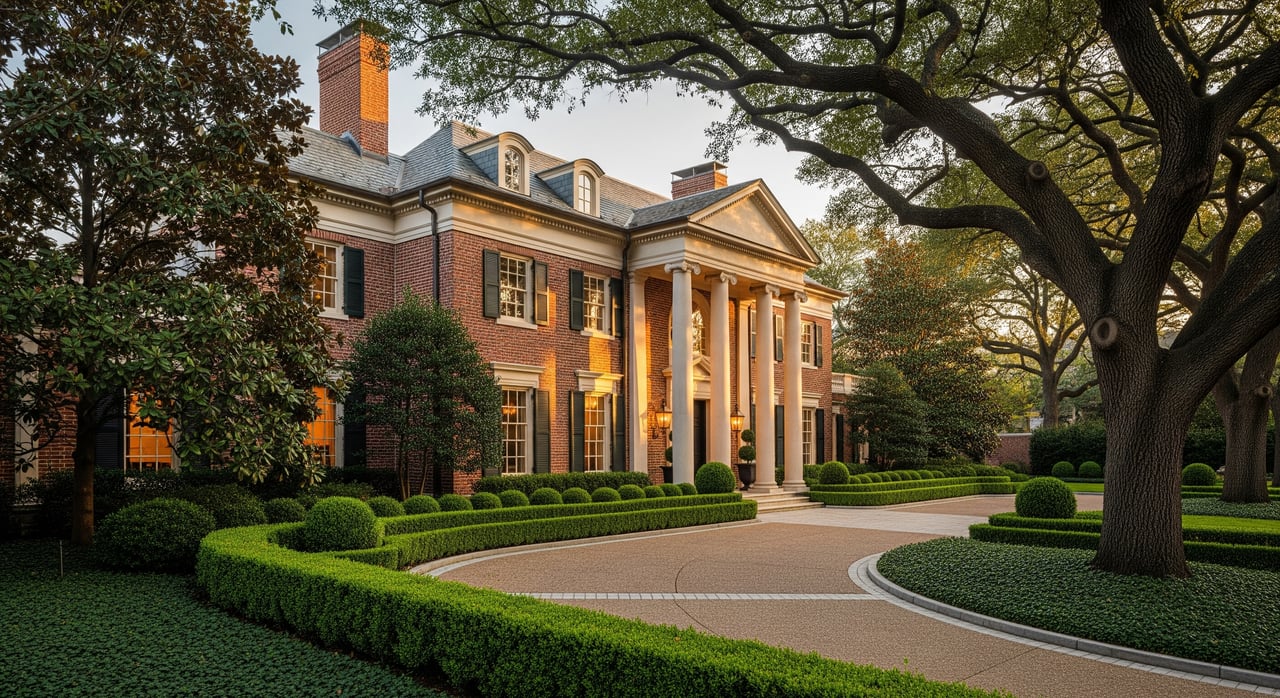
Highland Park blends preserved 1920s–1940s architecture, mid-century homes, and modern luxury builds. Some buyers prioritize preserved character, while others prefer the scale and systems of new construction. Original-condition homes may trade at a discount to turnkey properties unless they offer a sought-after style or a standout lot.
Renovation and finishes
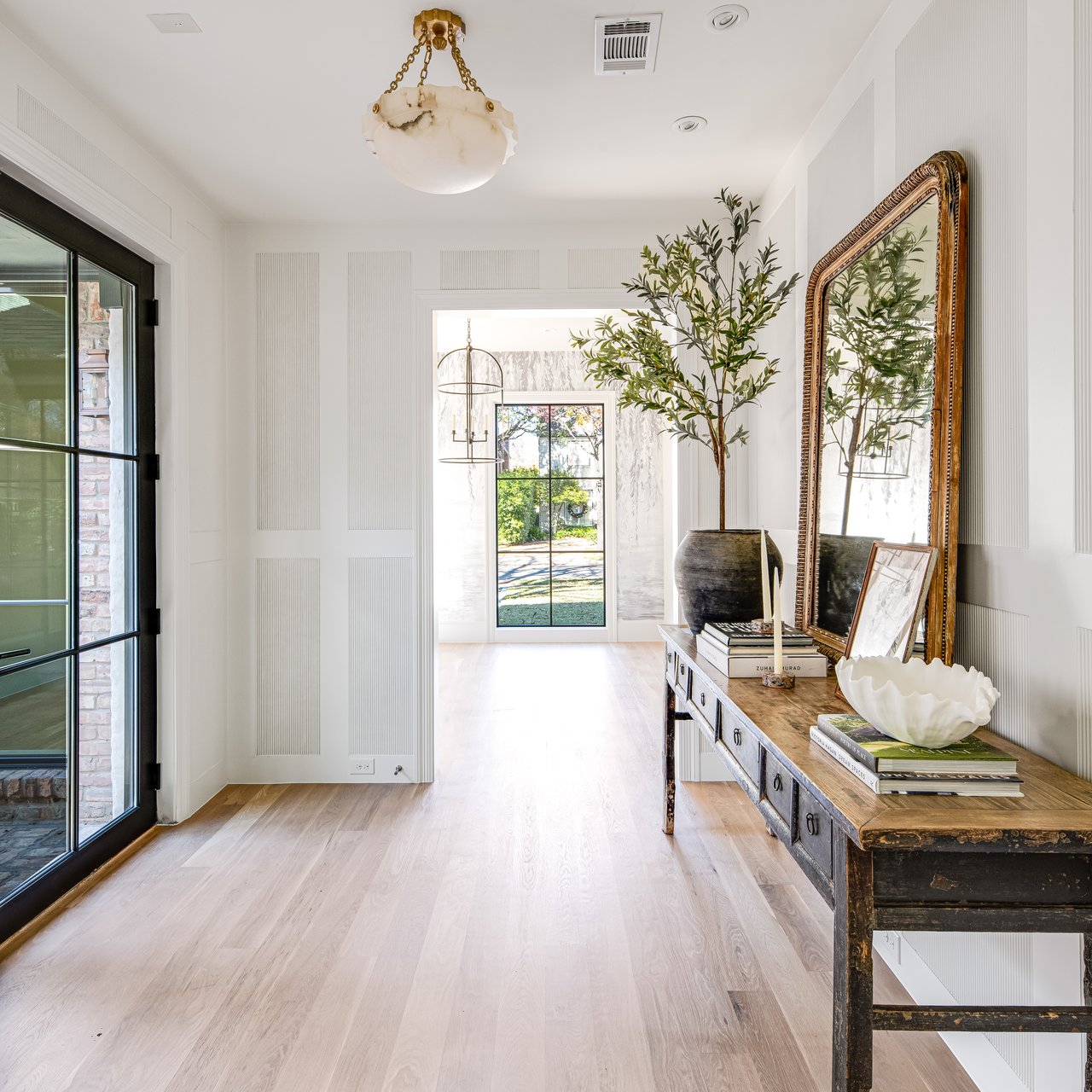
In luxury segments, high-quality, cohesive renovations matter. Updated kitchens and baths, newer mechanical systems, and a strong design story increase buyer confidence. If you are selling, polished presentation, professional staging, and a clear scope of upgrades help maximize your result.
Luxury features that move the needle
Pools, guest quarters, private driveways, and well-designed garages are frequent tie-breakers. In Dallas’s climate and price tier, many buyers expect outdoor living, but the premium varies by lot, design, and maintenance condition. Guest suites and accessory structures add flexibility and can enhance long-term value when properly permitted.
Buyer checklist
- Pool design and condition, including equipment age and safety features.
- Guest quarters layout, egress, and permit history.
- Covered parking capacity and driveway access.
- Outdoor living setup: shade, privacy, and usable yard space.
Block prestige and micro-location
Street-level reputation and immediate surroundings influence pricing even among similar homes. Tree-lined blocks, consistent high-value homes, and proximity to parks or the Village create micro-markets. When possible, compare sales on the same block to isolate these effects.
How to evaluate two homes on one block
- Start with lot size and frontage, then layer in condition and amenities.
- Note traffic patterns, corner placement, and alley access.
- Track days on market and sale-to-list ratios for recent nearby closings.
Schools and district reputation
Highland Park ISD’s strong reputation is a consistent demand driver. Even buyers without school-age children often consider the district’s track record because it supports resale confidence. If you are evaluating fringe locations, verify the exact campus boundaries for the property.
Regulations, taxes, and upkeep
Carrying costs and rules affect value and buyer calculations. Review property tax assessments, any historic overlays, and local building codes that could guide renovation or rebuild plans. Confirm that pools, guest quarters, and major additions were permitted and inspected.
Market cycle and timing
Interest rates and broader economic conditions shape demand in luxury segments. In high-rate periods, cash buyers may be more active, while lower rates can expand the buyer pool and accentuate premiums for the best lots and locations. Align your pricing and preparation strategy with current inventory and buyer competition.
A simple way to compare two Highland Park homes
- Start with the land. Compare lot size, frontage, and buildable area first.
- Layer in micro-location. Note distance to Lakeside Park and Highland Park Village, street character, and traffic.
- Assess the structure. Compare age, architectural appeal, renovation level, and systems.
- Add amenities. Pools, guest suites, and garage setup can be decisive tie-breakers.
- Cross-check with nearby comps. Use recent sales on the same or adjoining blocks to validate your read on premiums.
When you are ready to calibrate value, pair a data-driven analysis with polished presentation. Strategic prep, professional staging, and a strong launch plan help you capture the full premium your lot, location, and finishes deserve.
Thinking about your next move in Highland Park? Request a private consultation & home valuation with The Rosen Group for principal-led guidance tailored to your block and property.
FAQs
What drives higher prices in Highland Park compared to Dallas overall?
- Constrained supply, strong demand for Park Cities living, proximity to central Dallas, access to parks and retail, and the strong reputation of Highland Park ISD support higher baseline values.
How much more is wider frontage worth in Highland Park?
- It varies by block and market timing; wider frontage can command a premium because it enables better design, privacy, and outdoor amenities, best measured by nearby comps with similar lots.
Does a private pool always add value in Highland Park?
- Often yes, but the premium depends on design, condition, yard usability, and buyer preferences; some buyers prefer a larger lawn or lower maintenance, so compare to local sales.
How should I compare a large-lot older home to a smaller-lot new build in Highland Park?
- Start with land value and micro-location, then weigh renovation costs and design preferences; use same-block or adjacent-block comps to see how buyers traded lot size versus new construction.
How do school boundaries affect resale value near the Highland Park ISD edge?
- Buyers frequently verify exact boundaries, and many value the district’s reputation; confirm the assigned schools for the specific address to support resale confidence.